7 Examples of Online Advertising
- By vanessa wright
- •
- 05 Feb, 2018
- •
Basics of Digital Advertising, 7 Examples of Online Advertising.

Digital Media is a must have in today’s world for any business. From a fortune 500 to a local florist shop. Often times it can be confusing trying to understand industry jargon and what it may mean to your business. Below are a few basic elements and examples of digital advertising available.
First, let’s take a look at Google and how they breakdown their page.
SEM
SEM
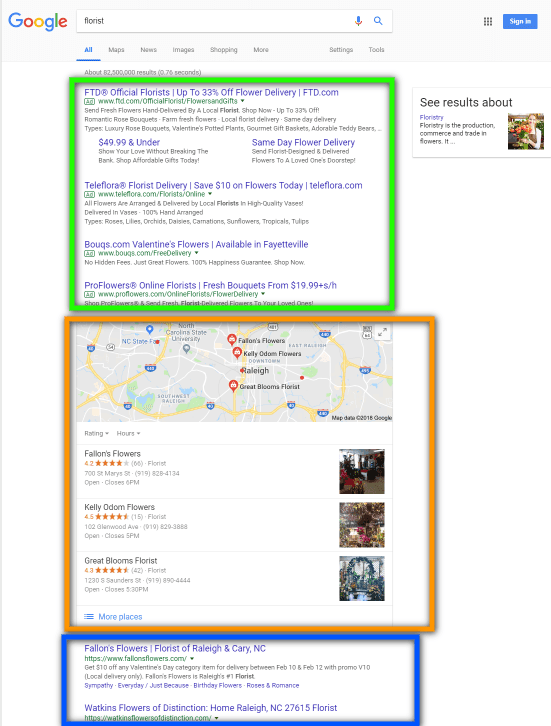
- The green section is Search Engine Marketing which is the paid ad section also known as Pay-Per Click (PPC). This is the section where you bid on keywords relevant to your business. This allows you first strike capability to leapfrog your competition to appear at the top of a search engine results.
Varying on your business there are additional paid ad sections through Google Shopping & Google Maps however for this example we are focusing on the basics.
Varying on your business there are additional paid ad sections through Google Shopping & Google Maps however for this example we are focusing on the basics.
Google Maps
Maps
- The orange section is often referred to as the maps section. This is where your Google My Business listing is found. Generally there are several factors that come into play, proximity, relevancy, ratings & reviews, as well as additional factors. If you haven't set up your Google My Business page please read my how to guide, it also shows you additional features that you can take advantage of.
Organic (SEO)
Organic
- The blue section is the organic search results that are displayed. Generally in order to appear relevant on the first page of Google a business has used SEO (Search Engine Optimization) tactics in order to achieve this. Think of this section as your 401K or retirement savings account, it takes time and the right strategy in order to retire and the same rings true for SEO. It requires time, content, backlinks, and many other factors to achieve a high ranking position.This is not achieved overnight and often businesses seek advice from an SEO professional.
Digital Video Advertising
Digital Video
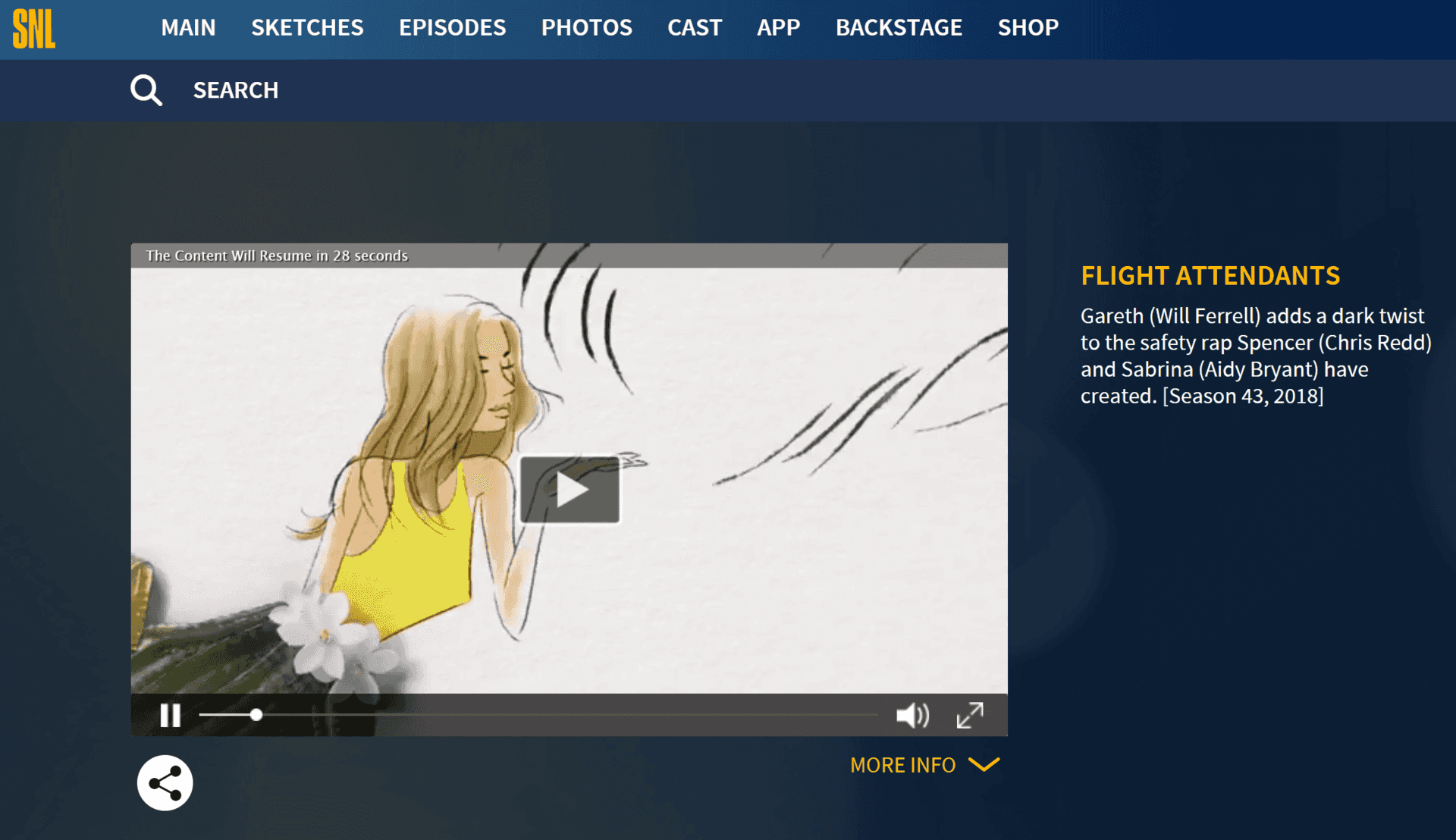
- If you are like most red-blooded Americans you are often watching videos online. This could range anywhere from a Newsreel on your favorite sites such as CNN or Fox News, a How-To Video on YouTube, a recent SNL skit, or any site where a video may be seen. The video ads are usually between 15-30 seconds long and are shown to your target audience. Think of this as today's version of a television commercial except you are able to highly target who receives your message.
Often times you will hear this referred to as Programmatic Video which essentially means live auction conducted through software. Each time a website loads within milliseconds there are behind the scenes events taking place identifying the user's interests and demographics.
Often times you will hear this referred to as Programmatic Video which essentially means live auction conducted through software. Each time a website loads within milliseconds there are behind the scenes events taking place identifying the user's interests and demographics.
Display Advertising
Display
-
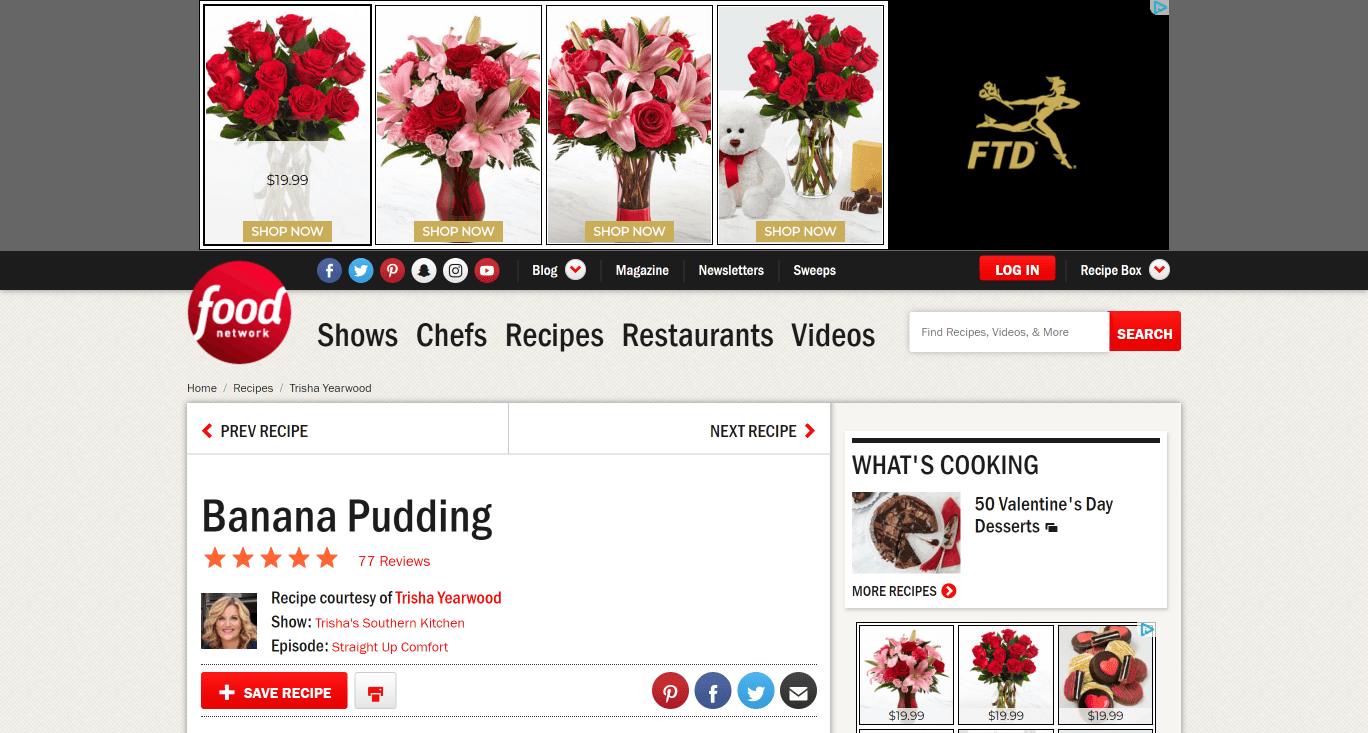
In the picture above you will see an ad for a flower delivery company.
Have you ever been shopping online and low and behold the next website you visit you are served an ad for what you were just looking to purchase? You are not alone. These are Display Ads or often referred to as Banner Ads that are shown online. Think of this as today's version of a billboard. Much like digital video, ads are served to a relevant audience you can elect to follow a user that just visited your website or select predefined targeting such as contextual or demographic.
Have you ever been shopping online and low and behold the next website you visit you are served an ad for what you were just looking to purchase? You are not alone. These are Display Ads or often referred to as Banner Ads that are shown online. Think of this as today's version of a billboard. Much like digital video, ads are served to a relevant audience you can elect to follow a user that just visited your website or select predefined targeting such as contextual or demographic.
Social Media Advertising
Social Media
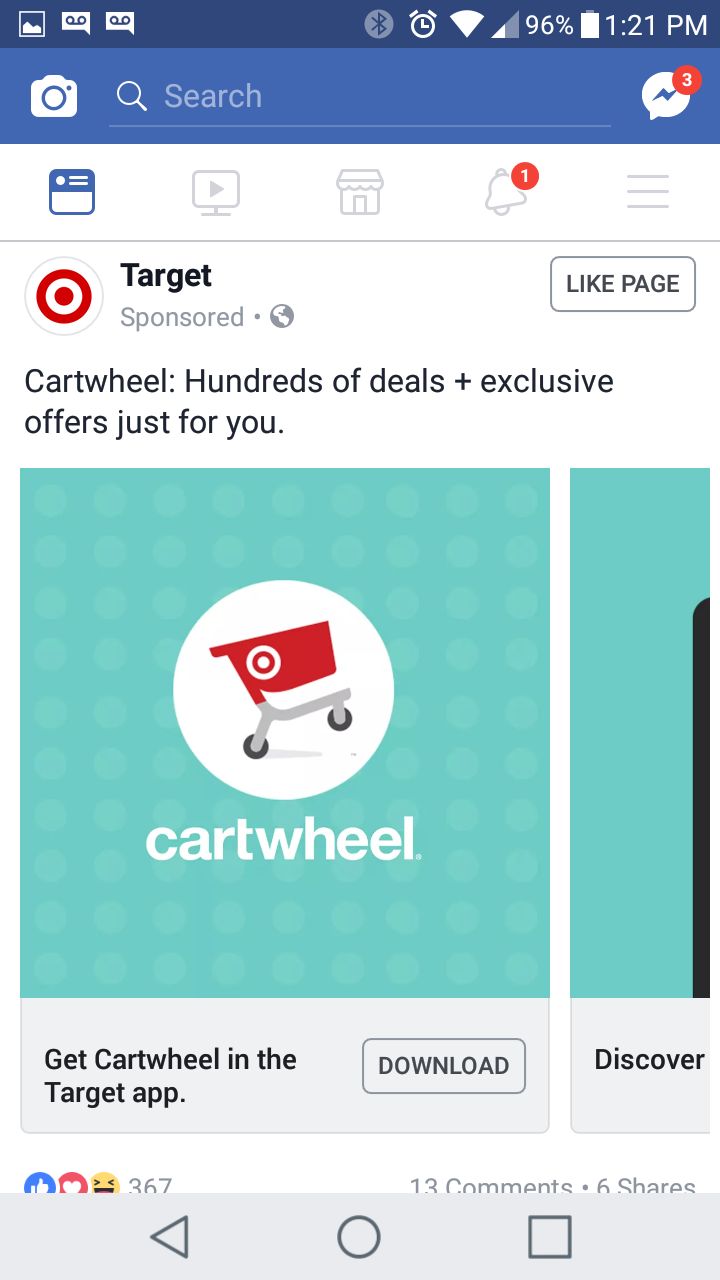
- The most common form of social media advertising is conducted through Facebook. Above is an example of an ad feed through my newsreel on Facebook. According to ComScore
Facebook ranked 3 in top web properties including home and work locations and in December 2017 generated over 210 Million unique users. To put that in perspective according to the US Census Bureau
the current US population is over 327 Million.
I often like to refer to Social Media as today's version of direct mail due to the target filters that are available. Much like you can select a Homeowner, between the ages of 35-50, Annual earning over 75k, for direct mail you can now deploy similar targeting with a social media campaign. There are a ton of filters available like a similar audience to people that already follow your page and many more. Really the sky's the limit on the targeting and the usage is definitely there.
Social Media Advertising is not limited to Facebook you also have LinkedIn and additional options.
I often like to refer to Social Media as today's version of direct mail due to the target filters that are available. Much like you can select a Homeowner, between the ages of 35-50, Annual earning over 75k, for direct mail you can now deploy similar targeting with a social media campaign. There are a ton of filters available like a similar audience to people that already follow your page and many more. Really the sky's the limit on the targeting and the usage is definitely there.
Social Media Advertising is not limited to Facebook you also have LinkedIn and additional options.
Content Marketing
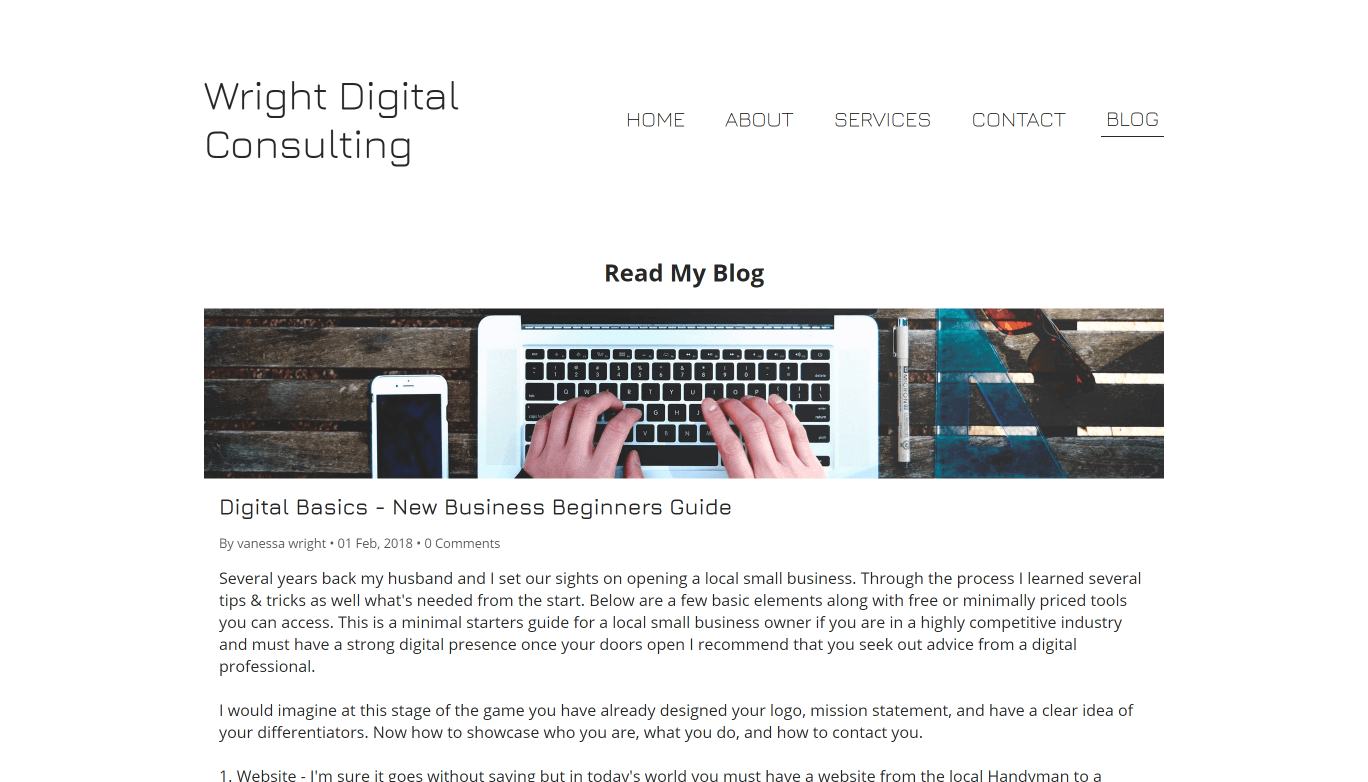
Content Marketing - The most common form of content marketing is blogging. Content marketing comes in many forms such as press releases, videos, and infographics to name a few. However, for an overview of basic forms of online advertising lets focus on Blogging.
Blogging is essentially a digital journal where you can write and share information about a particular topic, event, or even a situation. It allows you a place to address additional topics about your business, industry trends & tips, or culture on your website. Often times this tactic is used in conjunction with SEO. It provides an outlet for fresh and new relevant content to be shared with Google/Bing and ultimately your website visitors.
Blogging is essentially a digital journal where you can write and share information about a particular topic, event, or even a situation. It allows you a place to address additional topics about your business, industry trends & tips, or culture on your website. Often times this tactic is used in conjunction with SEO. It provides an outlet for fresh and new relevant content to be shared with Google/Bing and ultimately your website visitors.
Now the tough part. What form of digital advertising is right for me? Unfortunately, that's a loaded question and varies on what you want to achieve, the industry you serve, and your allocated budget for marketing. However hopefully now you are at least armed with the basics. Knowledge is power, conduct additional research on the topics addressed or contact a local agency who can help guide you to the right solution.

Are you a local new business owner and just need a little help with the basics? Here's an easy step by step guide to get you started.

We have all been a victim or prey to arrogance. From the nitty muggin' know it all to the boaster.
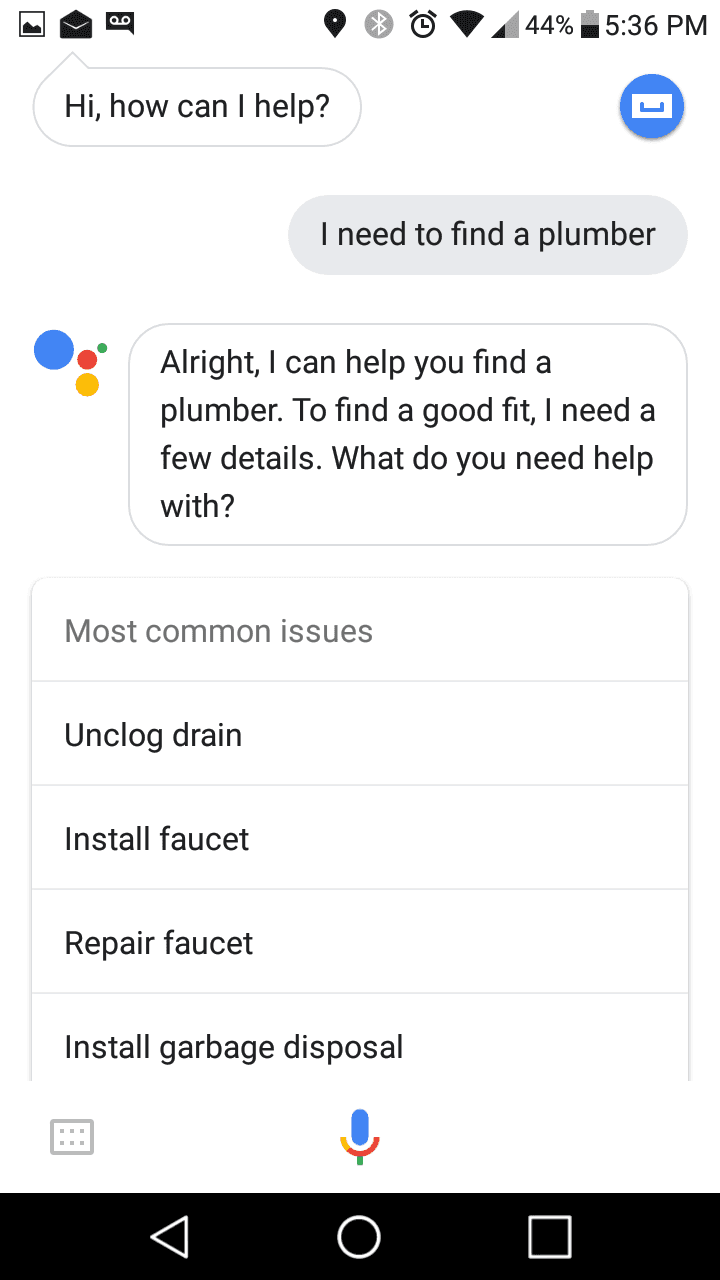
Do you remember registering your listing directly with Google and the impact it made your business? Well, that time is here again but for voice searches. Get listed today!

We are in the modern age of the wild west. Technology is moving faster than we can adapt.....or is it?

Anyone can make one:
For better or worse, anyone can write a blog post about anything they want. Everyone has a voice and the best voices will rise to the top.
The writer can show their personality:
In blog posts, the writer has more leeway to add in their voice and personality than other types of writing.
Blogs are a great form of mass communication:
You can help people, learn new things, entertain your audience-the possibilities are endless and amazing. Blogging opens up all of these to a very wide audience.
You can make money:
Get the right blog going and you can make a lot of money through advertising and sponsored posts.
It allows people to craft better thoughts:
Instead of reading haphazard, uneducated Facebook statuses, it's much better to see people's thought process in a well-written blog post.
You can establish a community:
Blogging allows you to connect with other individuals who share the same interests. Sharing ideas and opinions within your community helps establish yourself as a thought leader.
Good for SEO:
Keeping content on your site fresh and relevant, you can use your blog to boost the search engine ranking (SEO) of your site and your business.
It brings people back to your site:
If your blog is strong enough and updated regularly, people will come back looking for more and bring traffic back to your site as well.
It's free:
It costs you a grand total of zero dollars to post to the blog, so if you have something to say, there's nothing to stop you.
You can establish yourself as a thought leader:
A blog is a great place for your original thoughts, and it can be a wonderful way to show off your individuality. If people like your ideas, you can become a thought leader in your industry!
What else do you love about blogs? Let me know!
For better or worse, anyone can write a blog post about anything they want. Everyone has a voice and the best voices will rise to the top.
The writer can show their personality:
In blog posts, the writer has more leeway to add in their voice and personality than other types of writing.
Blogs are a great form of mass communication:
You can help people, learn new things, entertain your audience-the possibilities are endless and amazing. Blogging opens up all of these to a very wide audience.
You can make money:
Get the right blog going and you can make a lot of money through advertising and sponsored posts.
It allows people to craft better thoughts:
Instead of reading haphazard, uneducated Facebook statuses, it's much better to see people's thought process in a well-written blog post.
You can establish a community:
Blogging allows you to connect with other individuals who share the same interests. Sharing ideas and opinions within your community helps establish yourself as a thought leader.
Good for SEO:
Keeping content on your site fresh and relevant, you can use your blog to boost the search engine ranking (SEO) of your site and your business.
It brings people back to your site:
If your blog is strong enough and updated regularly, people will come back looking for more and bring traffic back to your site as well.
It's free:
It costs you a grand total of zero dollars to post to the blog, so if you have something to say, there's nothing to stop you.
You can establish yourself as a thought leader:
A blog is a great place for your original thoughts, and it can be a wonderful way to show off your individuality. If people like your ideas, you can become a thought leader in your industry!
What else do you love about blogs? Let me know!
